
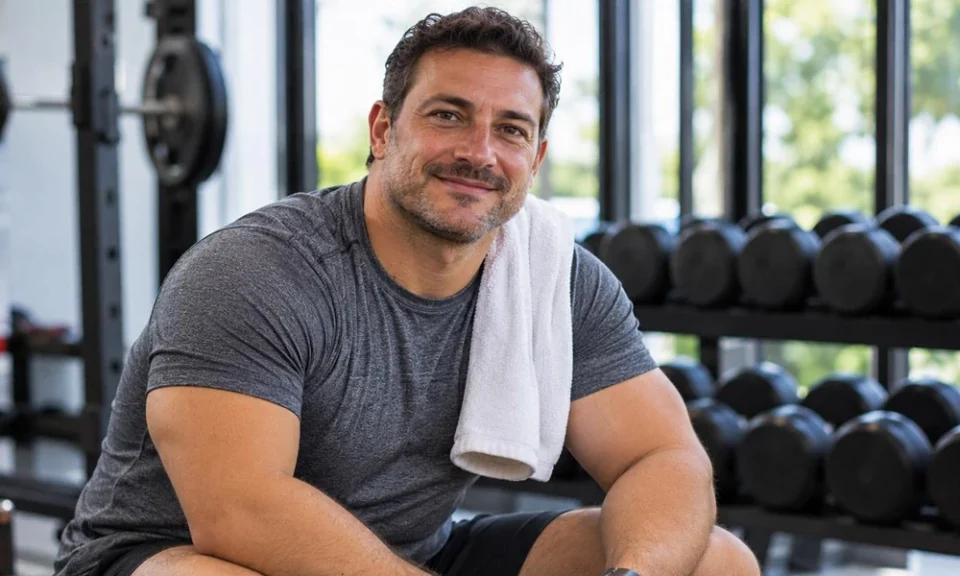
After losing 100 pounds or more, most men have some loose skin, usually around the belly, lower back, chest, arms, and thighs. Exercise builds muscle under the skin but can’t remove the excess. Body contouring surgery, such as a lower body lift, chest reshaping, and arm or thigh lifts, removes it. Most men need a stable weight first, plan for six to eight weeks of limited activity, and may stage procedures over time.
You set a goal, put in the work, and lost the weight, maybe through bariatric surgery, a GLP-1 medication, or years of diet and training. You feel healthier and stronger. But when you take your shirt is off, and the loose skin around your stomach, chest, or arms doesn’t match the effort you’ve put in. Some days it chafes or gets in the way at the gym.
Loose skin after weight loss is one of the most common frustrations men bring to plastic surgeons and one of the least discussed. This guide covers what’s realistic, which procedures men usually choose, and how to plan surgery around work and training. It reflects the approach of board-certified plastic surgeon Dr. Siamak Agha in Newport Beach, whose practice focuses heavily on body contouring after major weight loss.
Why Loose Skin Happens After Major Weight Loss
When skin stretches over years of carrying extra weight, its collagen and elastin fibers lose much of their ability to snap back. After a large weight loss, especially a rapid one, the skin can’t shrink enough to match your new frame. Age, genetics, sun damage, and smoking make it harder for skin to recover.
It’s not a sign that you did something wrong. As Dr. Chris Funderburk, an ASPS member surgeon whose practice is about 30 percent male, put it in an ASPS article on men and GLP-1 weight loss, significant weight loss almost always leaves loose skin. The amount depends on how much weight you lost, how long you carried it, and your skin quality.
You can learn more about skin laxity after weight loss on the practice’s website.
Can Exercise Tighten Loose Skin?
Strength training builds muscle, which can fill out the space under loose skin and improve your shape. But exercise can’t remove excess skin or restore its elasticity. After losing 100 pounds or more, significant loose skin usually requires surgery to remove.
That doesn’t mean training doesn’t matter. Building muscle improves your contour, makes surgery results look better, and helps recovery. Protein, hydration, sun protection, and not smoking also help your skin stay as healthy as possible. Just know that no workout, cream, or wrap can remove large folds of skin.
Training builds what’s underneath. Surgery removes what’s left over. Most men need both.
Where Men Usually Have Loose Skin
Men often carry weight in the belly, flanks, and chest, so those areas usually show the most loose skin after weight loss. The lower back, buttocks, arms, and thighs are also common. Each area calls for a different procedure, and many men treat several.
The Midsection and Lower Back
For many men, the abdomen and lower back are the top priority. A lower body lift removes loose skin around the entire lower torso, including the belly, flanks, and back. Dr. Funderburk told ASPS that the lower body lift is by far the most common procedure his male weight-loss patients choose. When loose skin is mainly at the front, a tummy tuck or panniculectomy may be enough.
The Chest
After major weight loss, many men have a sagging chest with stretched skin and low-sitting nipples. Dr. Agha’s gynecomastia surgery page explains that men with marked skin laxity may need a horizontal elliptical excision, which removes gland, skin, and fat and can lift the nipple-areola to a more natural position. Some men with very loose chest skin need the nipples repositioned.
The Arms
Loose skin on the upper arms can hang when you raise your arms. An arm lift, or brachioplasty, removes the excess skin and fat, typically through an incision along the inner arm.
The Thighs
Loose skin on the inner and outer thighs can chafe during walking and workouts. A thigh lift removes excess skin and tightens the area. Dr. Agha’s signature procedures include a spiral thigh lift, according to his biography.
Total Body Contouring
Men who’ve lost a significant amount of weight may need several areas treated. A total body lift combines procedures to contour the body more completely, often in stages.
When Is the Right Time for Skin Removal Surgery?
Most surgeons want you at or near your goal weight, with that weight stable for several months, before body contouring. Good nutrition, controlled health conditions, and no nicotine use also matter. If you’re on a GLP-1 medication, your surgeon will want to know your plans for staying on it.
A quick readiness check:
- Has your weight been stable for at least several months?
- Are you eating enough protein to heal well?
- Are conditions like diabetes or high blood pressure under control?
- Are you nicotine-free, including vapes and pouches?
- Can you take time away from heavy lifting and strenuous work?
The ASPS article on men and GLP-1s notes that patients should be at or near their goal weight before surgery and recommends working with your primary care doctor to get there. Your surgeon will also explain how to handle GLP-1 medications around anesthesia, since they slow stomach emptying.
Staging Your Procedures
Men who lost a lot of weight often need more than one area treated. Instead of doing everything at once, many patients stage procedures, tackling their biggest concern first and returning for other areas after they’ve healed. Staging can make each surgery shorter and recovery more manageable.
In the ASPS article, Dr. Funderburk described patients addressing their most pressing concerns first and scheduling later surgeries after recovery, and he recommended spacing multiple lifts at least three months apart. Your surgeon will help you decide which areas to treat first based on your goals, health, and how much loose skin you have.
A common sequence is to start with the midsection and lower back, since that’s often the most bothersome area, then address the chest, arms, or thighs in later stages.
You didn’t lose the weight in a day. Contouring the skin that’s left often happens in stages too.
Recovery: What to Expect for Work and Training
Recovery from body contouring after major weight loss typically takes six to eight weeks or longer, depending on the procedures. During that time, you should avoid heavy lifting and strenuous workouts, and men with physically demanding jobs may need extra time off.
General expectations:
- First week or two: Soreness, swelling, and limited movement. Drains may be used for a short time.
- About two to three weeks: Many men return to desk work, depending on the procedures.
- Six to eight weeks: Most men can begin returning to heavier activity and training with their surgeon’s clearance.
- Several months: Swelling continues to settle, and scars gradually fade.
For men who train hard, the hardest part is often patience. Returning to heavy lifting too soon can strain incisions and affect your result. Plan a gradual return with your surgeon’s guidance.
Scars: What Men Should Know
Skin removal surgery always leaves scars, and their location depends on the procedure. Lower body lift scars often sit low around the waist, where underwear or shorts can cover them. Chest, arm, and thigh scars may be more visible.
Dr. Funderburk noted in the ASPS article that visible areas like the chest, arms, and thighs have scars that can’t be easily hidden. Most men decide that trading loose skin for a scar is worth it, but it’s an important part of the conversation. Scars usually fade over 12 to 18 months, and sun protection and good wound care help.
Does Insurance Cover Skin Removal for Men?
Most body contouring after weight loss is considered cosmetic and isn’t covered by insurance. A panniculectomy, removing a hanging lower belly fold that causes chronic rashes or infections, may be covered in some cases when medical criteria are met.
Dr. Agha’s practice explains these criteria on its insurance coverage for post-bariatric surgery page. For procedures that aren’t covered, the practice offers financing options for qualifying patients, and staging procedures can spread costs over time.
Questions to Ask at Your Consultation
- Which areas should we treat first, and why?
- Can any procedures be combined safely, or should they be staged?
- Where will my scars be, and how visible will they be?
- How long will I be off work and out of the gym?
- Do I need my chest nipples repositioned?
- Can I see before-and-after photos of male weight-loss patients?
The practice’s overview of plastic surgery after weight loss is a helpful starting point before your visit.
The Bottom Line for Men With Loose Skin
Loose skin after losing 100 pounds is common, and it isn’t a sign that you did anything wrong. Training and effective nutrition help your shape, but surgery is the only way to remove significant excess skin. With a stable weight, a staged plan, and realistic expectations about recovery and scars, body contouring can help your body finally reflect the work you’ve put in.
Ready to find out if skin removal surgery after weight loss is right for you? Schedule a consultation with board-certified plastic surgeon Dr. Siamak Agha at The One Plastic Surgery Center in Newport Beach to discuss your goals and options.
Frequently Asked Questions
Will loose skin go away on its own after losing 100 pounds?
Some skin may tighten over time, especially in younger men with excellent elasticity. But after losing 100 pounds or more, significant loose skin usually remains and can only be removed with surgery.
What surgery do men get for loose skin after weight loss?
Common procedures include a lower body lift for the belly and back, chest reshaping with skin removal, arm lifts, and thigh lifts. Men who lost a lot of weight may combine or stage several procedures.
How long should I wait after weight loss to have skin removal surgery?
Most surgeons recommend reaching a stable weight at or near your goal and maintaining it for several months before surgery. Your surgeon will also check your nutrition and health.
How long is recovery from a body lift for men?
Recovery typically takes six to eight weeks or longer before heavy lifting and strenuous activity. Many men return to desk work within a few weeks, depending on the procedures.
Can I keep lifting weights after skin removal surgery?
You’ll need to pause heavy lifting during recovery, usually for about six to eight weeks. After your surgeon clears you, you can gradually return to training.
Medical disclaimer: This article is for educational purposes only and is not medical advice. Results and candidacy vary by patient, and a consultation with a qualified plastic surgeon is required to determine whether body contouring after weight loss is right for you.
