
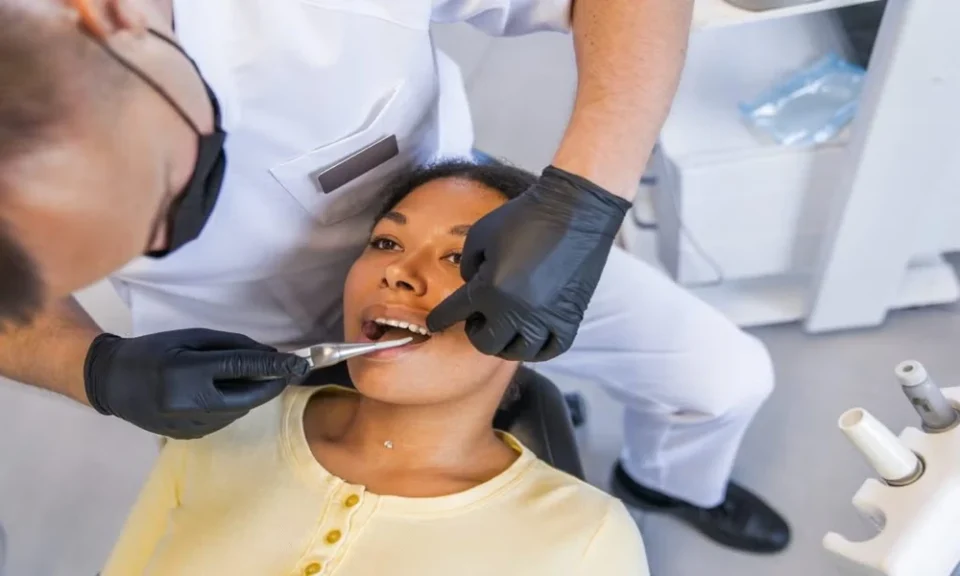
You can spend time and money getting your teeth looking the way you want, then feel frustrated when daily habits start working against those results. A brighter smile, smoother enamel, healthy gums, and well-shaped cosmetic work do not stay that way by luck. At Dr. Killian dental office, they last when prevention becomes part of your routine.
If you have ever looked in the mirror and wondered why staining came back so fast, why your gums look irritated, or why a past dental treatment does not seem as polished as it once did, you are not imagining it. Small habits add up. The good news is that long term smile care usually comes down to a few steady choices, not a perfect life or a complicated routine.
The short version is simple. Brush well, clean between teeth, protect enamel, keep up with checkups, and be careful with the foods and habits that wear down cosmetic results. These are the habits that support both oral health and appearance, whether you are focused on natural teeth, whitening, bonding, veneers, or other work from a general and cosmetic dentist.
Preventive dental care protects the look of your smile
Cosmetic results are only as stable as the teeth and gums underneath them. Whitening does not help much if plaque keeps building along the gumline. Veneers and bonding look better and last longer when your bite is healthy and inflammation stays low. Even something as common as dry mouth can shift the whole picture, since less saliva means more acid, more decay risk, and more staining.
This is where prevention matters. According to the CDC, basic oral health tips for adults include brushing twice a day with fluoride toothpaste, cleaning between teeth daily, limiting sugary foods and drinks, and seeing a dentist regularly. Those are not small suggestions. They are the habits that help preserve the color, shape, and surface of your teeth over time.
Ignoring prevention often gets expensive fast. A little bleeding when you floss can turn into gum disease. A habit of sipping acidic drinks all day can thin enamel and make teeth look dull or uneven. Grinding at night can chip bonding or shorten the edges of natural teeth. What starts as a cosmetic concern often traces back to a health issue that was building quietly.
Daily fluoride use helps enamel stay smooth and stain resistant
Enamel takes a beating from acids, sugar, grinding, and dry mouth. Once it weakens, teeth can look more yellow, pick up stains more easily, and become sensitive. That is one reason fluoride matters so much. The CDC explains how fluoride protects teeth by helping prevent cavities and supporting enamel strength.
For anyone trying to maintain whitening or a polished natural smile, that matters. Stronger enamel gives stains fewer rough areas to cling to. It also lowers the chance that decay will disrupt the appearance of a tooth that once looked great. This is one of the simplest forms of preventive dental care for aesthetic results, and it costs very little compared with replacing damaged work later.
Five habits make cosmetic dentistry results last longer
1. Brush with technique, not force. Scrubbing harder does not make teeth cleaner. It can wear enamel and irritate gums. Use a soft bristle brush and fluoride toothpaste, and spend a full two minutes covering every surface.
2. Clean between teeth every day. Floss or use another interdental cleaner. This is where plaque sits long enough to inflame gums and create staining near the edges of teeth and restorations.
3. Watch acid and sugar frequency. It is not only what you eat, it is how often your teeth are exposed. Sipping soda, sports drinks, sweet coffee, or citrus water all day keeps enamel under stress.
4. Do not skip routine dental visits. A general and cosmetic dentist can catch tiny cracks, early decay, bite wear, and gum changes before they affect how your smile looks.
5. Protect your teeth from wear. If you clench or grind, ask about a night guard. If you play sports, use a mouthguard. A chipped edge or fractured restoration can undo years of careful maintenance in one moment.
At home care and professional care do different jobs
| Area | At Home Prevention | Professional Dental Care |
|---|---|---|
| Plaque control | Brushing and flossing remove daily buildup | Cleanings remove hardened tartar you cannot remove yourself |
| Enamel protection | Fluoride toothpaste and less acid exposure support enamel | Fluoride treatments and exams help spot early enamel wear |
| Gum health | Daily cleaning between teeth lowers inflammation | Exams catch gum disease before it changes your smile line |
| Cosmetic longevity | Avoiding stain heavy habits helps preserve color | Polishing, repairs, and monitoring keep restorations stable |
| Hidden problems | Often missed until pain or visible damage appears | X rays and clinical exams catch issues early |
This is why home care and office visits are not interchangeable. One handles daily control. The other catches what you cannot see. For a broader overview of prevention, gum disease, cavities, and common dental concerns, MedlinePlus offers reliable dental health information.
Three steps help you protect a healthy looking smile right away
Audit your routine. Look at what happens between waking up and going to bed. Are you brushing long enough, flossing daily, sipping coffee for hours, or falling asleep without cleaning your teeth? Most people already know where the weak spot is once they slow down and look at the pattern.
Choose products that support enamel. Use fluoride toothpaste, a soft brush, and if needed, a fluoride rinse recommended by your dentist. If sensitivity or dry mouth is part of your life, address it early. Those issues affect both comfort and appearance.
Schedule preventive visits before something feels wrong. Waiting for pain usually means the issue has had time to grow. Regular exams and cleanings are one of the smartest ways to support long lasting smile aesthetics and avoid repairs that cost more later.
Consistent prevention keeps your cosmetic smile investment working for you
The best looking smiles usually do not come from one dramatic treatment. They come from steady care that protects what you already have and supports any cosmetic work you choose. That is the heart of cosmetic dentistry maintenance tips. Keep the basics strong, catch problems early, and treat enamel and gums like the foundation they are.
If you want your smile to stay bright, smooth, and healthy looking, make prevention the part you do not skip. A general and cosmetic dentist can help you build a plan that fits your habits and protects your results for the long run.
