
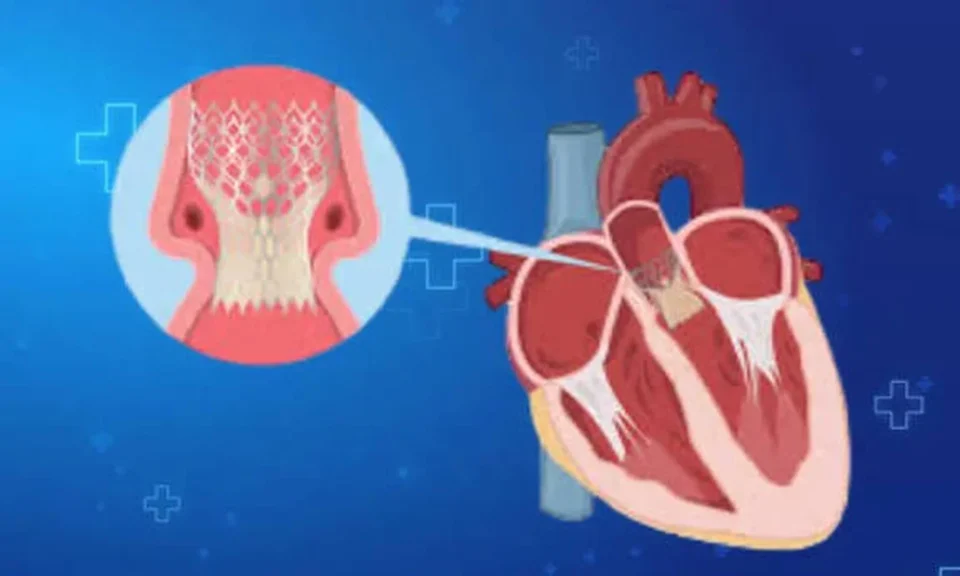
There is no single price for replacing a heart valve, because “valve replacement” covers at least three valves and three ways of reaching them. The aortic valve can be replaced through open surgery, through a small incision or through a catheter; the mitral valve has its own set of options; the tricuspid valve is replaced far less often and usually alongside other surgery. This guide sets out, valve by valve and approach by approach, what moves the number so that you can place your own estimate in context.
Which valve, and why it matters for cost
- Aortic valve: the most frequently replaced valve in adults, usually for aortic stenosis (narrowing) in older patients or regurgitation (leak). It has the widest range of approaches and therefore the widest range of prices.
- Mitral valve: often diseased by rheumatic fever in India or by degenerative leaflet disease. Repair is preferred when possible; replacement uses a mechanical or tissue valve.
- Tricuspid valve: usually leaks as a consequence of other heart disease and is more often repaired with a ring than replaced; isolated replacement is uncommon and tends to be done in sicker patients, which raises ICU costs.
- Pulmonary valve: mostly relevant to adults with congenital heart disease; replacement is specialised and less frequently done.
The heart valve replacement types, procedure, cost and recovery guide on the Heart Valve Experts site gives the clinical background for each.
Which approach, and how it changes the bill
Open surgery (sternotomy)
The chest is opened through the breastbone and the heart-lung machine is used. It is the established route for all valves and allows combined procedures (bypass, two valves, ablation). Costs are driven by theatre time, perfusion, two to three ICU days, five to seven ward days and the valve implant.
Minimally invasive surgery
The same operation is done through a small incision between the ribs or a partial sternotomy, often with specialised instruments and sometimes video assistance. Theatre charges may be slightly higher, but hospital stay and recovery are shorter, which can offset the difference. Suitability depends on anatomy and the surgeon’s practice; the minimally invasive heart valve surgery page describes the typical candidates.
Transcatheter replacement
TAVI/TAVR for the aortic valve, and more recently TMVR for the mitral valve, place a new valve via a catheter without opening the chest. Hospital stay is short (one to three days), but the valve and delivery system are expensive, so the total is usually several times that of surgery. Transcatheter mitral options are typically used for failed surgical valves or rings, or for patients at prohibitive surgical risk.
Indicative ranges by valve and approach
The table below is a very approximate guide to the heart valve replacement cost in india at private hospitals. Figures are indicative, vary by city, hospital, implant and complexity, and the exact amount must come from your treating doctor.
| Valve and approach | Approximate range |
|---|---|
| Aortic, open surgery (SAVR) | ₹3-8 lakh |
| Aortic, minimally invasive | ₹4-9 lakh |
| Aortic, transcatheter (TAVI) | ₹18-30 lakh |
| Mitral, open replacement | ₹3-8 lakh |
| Mitral, minimally invasive | ₹4-9 lakh |
| Mitral, transcatheter (TMVR, valve-in-valve) | ₹20-35 lakh |
| Tricuspid, surgical (usually with other surgery) | adds roughly ₹1-3 lakh to the main operation |
| Double valve surgery | ₹5-12 lakh |
Within each row, a mechanical valve generally costs less than a tissue valve, and Indian-made valves cost less than imported ones. Government, trust and teaching hospitals charge well below these private-sector bands. A separate breakdown of what a surgical package contains is available in the valve replacement surgery cost guide.
Other factors that shift the estimate
- Combined procedures: valve plus bypass, or two valves, lengthen theatre time and add implants.
- Redo surgery: a second operation through scar tissue is more complex and costlier; this is one reason transcatheter valve-in-valve is sometimes chosen instead.
- Patient condition: kidney disease, diabetes, lung disease or heart failure increase ICU time.
- Room category: in many Indian hospitals, the whole package scales with the room chosen.
- City: Mumbai, Delhi NCR, Bengaluru and Chennai sit at the higher end; tier-2 cities are often lower.
- Pre-operative tests: echocardiogram, transoesophageal echo, coronary angiogram, CT for transcatheter planning, blood tests and dental clearance.
Insurance in brief
Surgical valve replacement is widely covered by Indian health insurance and by PM-JAY, CGHS, ECHS and state schemes at empanelled hospitals. Transcatheter valves are covered by many private insurers but may be subject to implant caps, and most government schemes do not yet have a package for them. Confirm cashless empanelment and ask the hospital’s insurance desk to list the valve separately in the pre-authorisation request.
When to act quickly
Breathlessness at rest, fainting, chest pain or sudden swelling of the legs in someone with known valve disease need urgent assessment. Timing is clinical: your cardiologist will tell you whether you have weeks or months to decide.
Summary
Identify the valve, then the approach, then the implant type, and only then compare quotes. Seen this way, the heart valve replacement cost in india stops being one confusing number and becomes a set of choices you can discuss sensibly with your surgeon, cardiologist and insurer.
Disclaimer: This article is for general information only and is not a substitute for medical advice. Please consult a qualified cardiologist or cardiac surgeon about which valve and approach suit you and for an exact cost estimate.
