
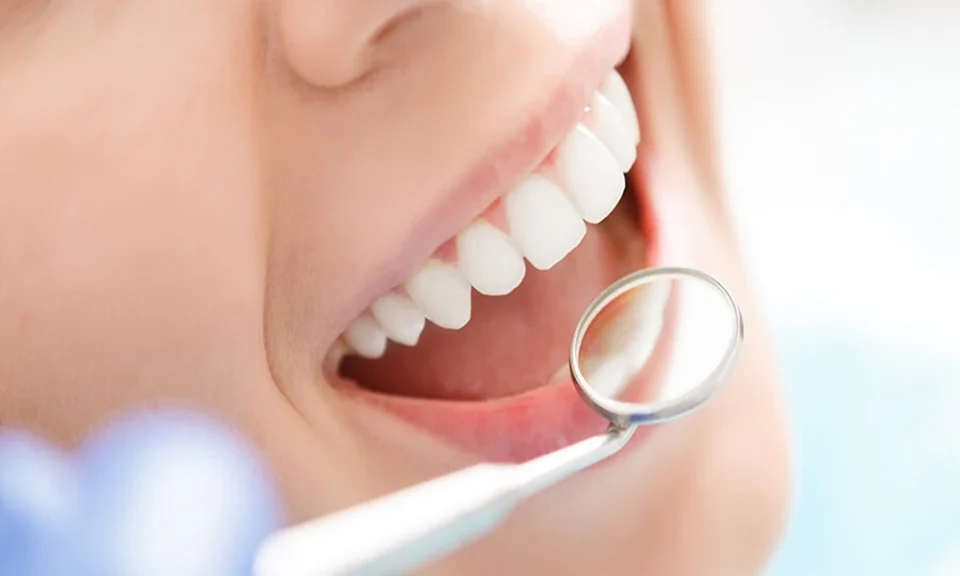
You may have noticed that oral health gets harder to manage with age, even when your habits have not changed much. A dry mouth shows up after starting a new medication. Brushing feels less simple when arthritis affects your grip. A denture that used to fit well starts rubbing, and suddenly eating is less comfortable. None of that is small. Mouth pain, chewing trouble, and gum problems can wear you down day by day, and they often affect sleep, nutrition, speech, and confidence at the same time. In some cases, options like Jonesboro dental implants may help restore comfort and function.
How Family Dentistry Supports Seniors In Maintaining Oral Health comes down to steady care, practical support, and early treatment before minor issues turn into bigger ones. A family dentist can track changes over time, adjust care to match age related needs, and help you protect both comfort and function. That matters because oral health in later life is not only about teeth. It is tied to overall health, independence, and quality of life.
Family dental care helps seniors manage changes that build slowly
Aging does not cause tooth loss on its own, but it does bring changes that raise the risk of cavities, gum disease, and mouth infections. Receding gums expose softer root surfaces. Medications can reduce saliva, which leaves the mouth more open to decay. Limited mobility can make flossing or brushing thoroughly feel frustrating. If you wear dentures, a poor fit may lead to sore spots or make it harder to chew enough healthy food.
This is where senior oral health support from a family dentist makes a real difference. Regular visits help catch gum inflammation, root decay, oral cancer warning signs, and denture problems early. Early care usually means less discomfort, less cost, and fewer disruptions to daily life. You do not have to wait until something hurts. In fact, pain often shows up later than the problem itself.
There is also the emotional side, and it deserves attention. If eating in public feels embarrassing, or if bad breath and missing teeth make you pull back from people, that isolation can creep in quietly. Many older adults also put dental visits off because they assume discomfort is normal with age. It is not. A family dentist can sort out what is expected aging and what needs treatment.
According to the National Institute on Aging guidance on caring for your teeth and mouth, daily oral care and regular dental visits remain a key part of staying healthy as you get older. That advice sounds simple, but the challenge is making it work in real life when health conditions, transportation, and fixed budgets get in the way.
Routine family dentistry prevents small dental issues from becoming health problems
When a senior skips care for a year or two, the problem is rarely just a missed cleaning. Plaque hardens, gums pull back farther, and dry mouth can speed up decay around old fillings and near the roots. A cracked tooth may become an infection. Sore gums may lead someone to avoid crunchy or protein rich foods, which can affect nutrition. If dentures stop fitting, some people start eating less without realizing how much they have changed their routine.
Dental care for older adults works best when it is preventive and personal. A family dentist often treats more than one generation in the same household, which can help with continuity and communication. Adult children may notice changes and help schedule appointments. Caregivers can get clear instructions on denture cleaning, brushing techniques, or signs of infection to watch for.
The CDC oral health tips for adults reinforce the basics that still matter most, brushing twice a day with fluoride toothpaste, cleaning between teeth, limiting sugar, and seeing a dentist regularly. For seniors, those basics often need adjustment rather than replacement. An electric toothbrush may be easier to hold. Fluoride treatments may help protect exposed roots. Saliva substitutes or medication reviews can reduce dry mouth problems.
Family dentistry gives seniors practical options that fit real life
Good care is not one size fits all. One person needs help managing gum disease around natural teeth. Another needs denture relines and screening for oral tissue changes. Someone else may have memory loss and need simpler routines that a caregiver can follow. Family dentistry works well here because the focus is not only treatment. It is also adaptation.
| Common senior oral health issue | What can happen at home | How a family dentist helps |
|---|---|---|
| Dry mouth from medication | More cavities, mouth soreness, trouble swallowing | Reviews risk areas, suggests saliva support, applies fluoride, coordinates with your physician when needed |
| Arthritis or reduced hand strength | Brushing and flossing become less effective | Recommends easier tools such as electric brushes, floss holders, and simpler routines |
| Gum recession and root exposure | Sensitivity and faster decay near the roots | Monitors changes, treats decay early, uses fluoride and gum care strategies |
| Dentures that no longer fit | Sore spots, poor chewing, less food variety | Adjusts or relines dentures, checks for tissue irritation, improves comfort and function |
| Missed preventive visits | Small issues become painful or expensive | Finds problems early through exams, cleanings, and screening |
The National Institute of Dental and Craniofacial Research resources for older adults also points to concerns such as gum disease, tooth decay, and oral cancer screening. These are not rare, fringe issues. They are common concerns that become easier to manage when someone is tracking them consistently.
Simple steps support better oral health for seniors
Schedule care before pain starts. Preventive visits matter more with age, not less. If it has been a while, book an exam and cleaning so small problems stay small. If you wear dentures, bring them to the appointment even if the issue seems minor.
Review medications and daily limits honestly. Bring a list of prescriptions and mention dry mouth, hand pain, memory changes, or trouble chewing. These details shape the right care plan. A good family dentist can only tailor treatment if they know what daily life actually looks like for you.
Make home care easier, not stricter. Use tools that reduce strain, such as an electric toothbrush, fluoride rinse if recommended, floss aids, or a water flosser when appropriate. If a caregiver helps, keep the routine simple and consistent so it is easier to follow every day.
Steady family dental care helps seniors stay comfortable and independent
Oral health problems can feel easy to put off, especially when there are other medical appointments, costs, and responsibilities competing for attention. Still, the mouth affects too much to ignore. It affects eating, speaking, social comfort, and overall health. A family dentist helps you stay ahead of the problems that tend to build with age, and that support can protect both comfort and independence.
If you or a loved one has noticed changes in chewing, gum health, dry mouth, or denture fit, now is a good time to schedule a visit with a family dentist and get a plan that fits real life.
