
The pursuit of a radiant, confident grin has seen cosmetic dentistry surge in popularity across the United Kingdom. Many people now view a bright smile as a key component of personal grooming and self-assurance.
This desire for improvement drives a significant interest in treatments that can enhance one’s appearance. A whiter set of teeth often creates a more positive first impression, which is highly valued in social and professional settings.
Consequently, individuals are presented with a range of methods to achieve their goals. The landscape primarily features two distinct paths: clinically supervised procedures and over-the-counter kits for personal use.
This guide aims to clarify these different approaches. It will help you understand how each method works, its potential benefits, and how to make a safe, effective choice for your dental health and lifestyle.
Key Takeaways
- A bright, white smile is a highly sought-after aesthetic goal for many people in the UK.
- Cosmetic dental treatments for lightening tooth colour have become extremely popular.
- Different methods are available, ranging from dentist-led procedures to kits you can use yourself.
- Understanding the nuances of each option is crucial for achieving a safe and desirable result.
- Your final choice should align with your specific dental needs, budget, and personal preferences.
- An informed decision can boost your confidence and contribute to your overall oral health.
Understanding Teeth Whitening
Discolouration is a frequent concern, stemming from both lifestyle choices and biological factors. To choose an effective brightening method, one must first identify the type and cause of the stain affecting a smile’s appearance.
What Causes Tooth Discolouration?
Daily habits play a significant role. Regular consumption of coffee, tea, or red wine can leave dark marks. These are often surface stains on the outer layer.
Tobacco use, whether smoking or chewing, typically causes persistent yellow or brown discolouration. This affects the natural colour of your teeth over time.
Beyond lifestyle, natural ageing thins the protective enamel. This makes the yellowish dentin layer underneath more visible, leading to a duller look.
Some marks develop deep within the enamel structure. These intrinsic stains, sometimes from medication or injury, require a more targeted approach for effective correction.
The Science Behind Whitening Treatments
The efficacy of any smile-brightening method hinges on a fundamental chemical reaction. This reaction is powered by specific active ingredients.
Understanding this science helps manage expectations for the final outcome.
Role of Peroxide Compounds
The primary agents are peroxide-based compounds, namely hydrogen peroxide or carbamide peroxide. These chemicals work by breaking down complex stain molecules.
They penetrate the enamel’s surface. Once inside, they undergo an oxidation process.
This reaction effectively lightens the discoloured pigments trapped within the tooth structure. It is a controlled chemical treatment, not a simple cleaning.
Differences in Bleaching Agent Concentration
The most critical variable is the strength of the bleaching agent. UK law strictly regulates this for consumer safety.
Dentist-administered gels can use a high concentration, up to 6% hydrogen peroxide. This allows for a more powerful and rapid lightening effect.
In contrast, over-the-counter kits for personal use are legally limited. They must contain no more than 0.1% hydrogen peroxide.
The table below highlights the key distinctions shaped by these regulations.
| Aspect | Professional Treatment | Home Kit |
|---|---|---|
| Key Agent & Concentration | High-strength hydrogen peroxide or carbamide peroxide (up to 6%) | Low-strength peroxide (max 0.1%) |
| Typical Results Timeline | Noticeable change often in a single session | Gradual effect over several weeks of use |
| Clinical Oversight | Direct application and monitoring by a dentist | Self-administered, following kit instructions |
This difference in concentration is the main reason for the variance in speed and intensity of results between the two approaches.
Professional Teeth Whitening Advantages
A key benefit of the in-clinic route is the combination of advanced technology and expert assessment. This approach delivers significant, fast improvements under safe conditions.
In-Clinic Procedures and Customised Care
During a clinic-based brightening session, a protective barrier is applied to the gums. This guards against irritation from the high-strength bleaching gel.
A dentist may then use a laser or LED light to activate the gel. This enhances the results. The entire process often takes between 30 and 90 minutes.
Treatments are tailored to individual needs. For instance, patients with sensitivity, like Jasmine, find that clinics can manage this effectively while still achieving dramatic lightening.
Banning Dental: A Trusted Expert Approach
Clinics such as Banning Dental prioritise a full oral health check before beginning any treatment. This ensures the procedure is suitable and safe for the patient.
Their expert approach provides peace of mind and optimises outcomes for a brighter, healthier smile.
At-Home Whitening Kits: Convenience and Cautions
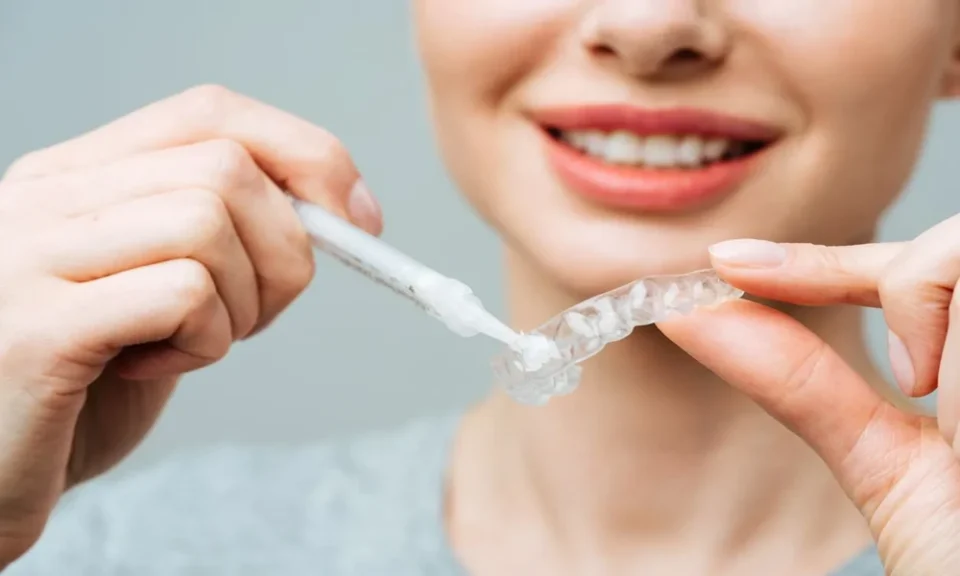
Achieving a lighter smile at home involves navigating a world of strips, trays, and lights sold directly to consumers. These products offer a convenient alternative to clinic visits. Their effectiveness, however, is fundamentally shaped by UK regulations limiting peroxide strength.
DIY Kit Varieties and Application Methods
Common DIY kits include adhesive strips, one-size-fits-all trays, and systems with LED lights. Users apply a gel themselves, wearing it for a set period daily. This process lacks the custom-fitted trays a dentist provides, which can affect gel contact and final uniformity.
Risks, Limitations and Safe Usage
The primary risks are gum irritation and potential enamel damage. This occurs if the gel is applied incorrectly or used too frequently. The legally mandated low peroxide concentration also means results are gradual and less dramatic than professional treatments.
For safety, one must follow instructions meticulously. Consumers should be cautious, as these home kits operate without clinical oversight to protect oral tissues.
Comparing Cost, Safety, and Effectiveness
Lasting power and safety are central to deciding between clinic-based and self-administered cosmetic procedures. A thorough analysis goes beyond the initial price tag to consider the durability of the outcome and the protection of oral health.
Evaluating Short-Term and Long-Term Results
The longevity of a brighter smile is a primary differentiator. Clinical treatments typically deliver superior results that can endure for 12 to 24 months with proper care.
In contrast, over-the-counter methods often produce a temporary brightening effect. This tends to fade within a matter of weeks, requiring more frequent application.
Safety is intrinsically linked to clinical oversight. A qualified dentist monitors the entire process, ensuring the gel’s concentration is safe and applied correctly to prevent irritation or damage.
This professional supervision is the key difference, as DIY kits operate without this protective guidance. Users must rely solely on printed instructions.
While the upfront investment for a dental practice procedure is higher, it often provides better long-term value. One avoids the cycle of repeatedly purchasing home kits to maintain the same level of brightness.
Evaluating these results holistically shows that professional teeth whitening offers a more consistent, reliable, and ultimately cost-effective path for many patients seeking a lasting change.
Teeth Whitening Options UK Professional vs At-Home
The contrast in what one can achieve through clinical versus DIY routes is stark and important to understand. Your choice should align with your expectations for improvement, your financial plan, and the current condition of your dental structures.
Key Differences in Treatment Outcomes
A professional treatment offers a highly predictable approach. It can lighten the colour by up to eight shades in a single, closely monitored session.
Over-the-counter methods demand consistent use over many weeks. They typically produce a more gradual, subtle change in your smile’s brightness.
For individuals with deep, set-in discolouration, the clinical path is strongly advised. Those seeking a mild refresh may find home kits sufficient.
The most effective methods always prioritise long-term oral health. They protect enamel and gums while delivering a beautiful smile.
| Aspect | Professional Clinical Procedure | At-Home Kit |
|---|---|---|
| Potential Shade Improvement | Up to 8 shades lighter | Subtle, gradual lightening |
| Typical Results Timeline | Visible change in one session | Weeks of daily application |
| Best For | Deep stains, predictable results | Surface stains, maintenance |
| Clinical Oversight | Direct application by a dentist | Self-administered, following instructions |
This comparison highlights how the approach directly shapes the results. Investing in a professional treatment often yields more dramatic and durable outcomes.
Expert Advice and Professional Oversight
Navigating the landscape of cosmetic dental enhancements requires informed guidance to ensure both safety and satisfaction. The value of a qualified dental professional‘s input is paramount for anyone considering such procedures.
Their oversight helps tailor the approach to your specific oral health and aesthetic goals.
Insights from Banning Skin Ltd on Ensuring Safety
Banning Skin Ltd emphasises that clinical supervision is non-negotiable for effective and secure treatment. A dentist conducts a thorough assessment before any procedure begins.
This check confirms the suitability of your gums and dental structures. It prevents potential issues like gum irritation or enamel damage.
- A dental professional ensures the correct application of professional-grade gels. This maximises efficacy while protecting oral tissues.
- Clinics, such as Pinner Green Dental, provide custom-fitted trays. These offer a superior fit compared to generic kits, leading to more even results.
- Expert dentists give personalised aftercare advice. This helps maintain your brighter smile for many weeks after the initial treatment.
- Seeking professional guidance avoids common DIY pitfalls. These include uneven brightening or surface sensitivity from incorrect product use.
Ultimately, investing in expert-led treatments prioritises long-term dental wellbeing. It delivers predictable, high-quality results for a confident smile.
Maintaining Your Brighter Smile
The work doesn’t end once you’ve achieved your desired shade; maintaining that brightness is an active process. A consistent routine is the foundation for preserving your investment and enjoying a confident grin for longer. This sustained attention ensures the longevity of the cosmetic enhancement.
Adopting Best Oral Hygiene Practices
Excellent daily care is non-negotiable. Brushing twice daily with a fluoride toothpaste and flossing removes plaque from the surface of your teeth. This prevents new stains from taking hold.
Dental professionals recommend scheduling a professional cleaning every six months. These sessions remove tartar and surface stains that daily brushing cannot address, supporting overall oral health.
Long-Term Care and Regular Touch-Ups
To extend your results, consider periodic touch-ups. Your dentist can provide custom trays with mild gels for occasional use. This helps refresh your smile without starting from scratch.
Being mindful of your diet also plays a crucial role. Limiting consumption of deeply coloured drinks like coffee can prevent rapid re-discolouration. Regular check-ups allow your dentist to monitor for any sensitivity and ensure your smile stays vibrant and healthy.
Conclusion
Ultimately, the journey to enhanced dental aesthetics culminates in an informed choice aligning with personal goals. Both clinical treatments and personal kits offer distinct paths to boost confidence.
Professional teeth whitening delivers fast, dramatic results under dentist supervision. This ensures safety for gums and enamel, minimising risks like irritation.
At-home options use low-strength gels for gradual brightening over weeks. Careful use is vital to avoid damage to the tooth surface.
Consulting a dentist is key to selecting the right treatment. They assess oral health and recommend the best approach for your smile.
By prioritising expert guidance, people achieve a lasting, radiant result.
