
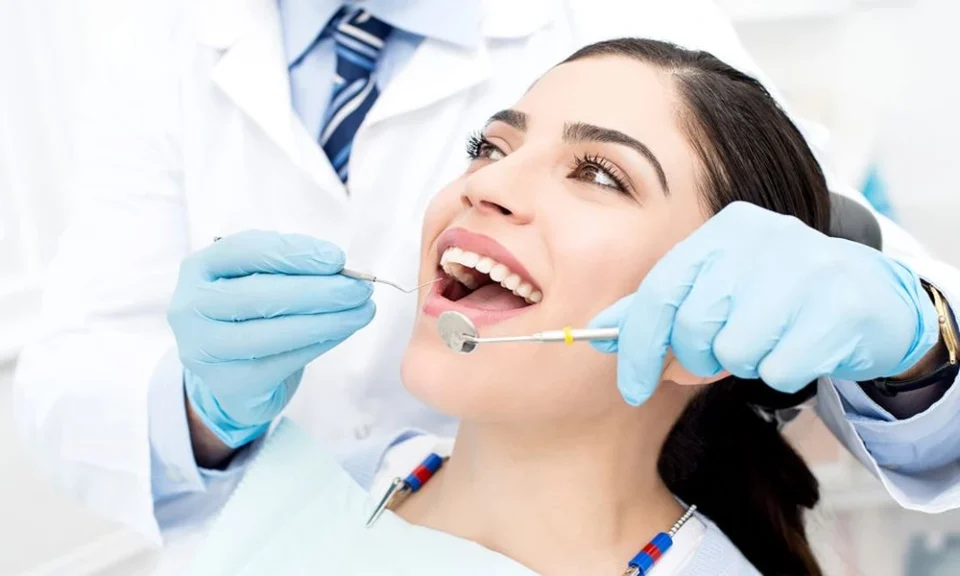
You notice the chipped tooth when you catch your reflection. Maybe it is a dull ache when you chew, or a filling that has started to feel rough at the edges. Dental problems rarely show up at a convenient time, and they have a way of stirring up old fears about pain, cost, and whether the damage is worse than it looks. If you are looking for a dentist in South Holland, IL, that stress is real.
A lot of the worry around treatment comes from bad information. People put off care because they assume a filling will not last, a crown means the tooth is basically gone, or restorative work is only about appearance. The truth is simpler. Restorative dentistry myths often keep people from getting care that protects their teeth, reduces pain, and prevents bigger treatment later.
Myth 1: Restorative Dentistry Is Only Cosmetic
This is one of the most common misunderstandings. Cosmetic dentistry focuses on improving appearance. Restorative care repairs damage and restores function. Sometimes the two overlap, but they are not the same thing.
If you have decay, a cracked tooth, worn enamel, or a missing tooth, the issue is not just how your smile looks. It affects how you bite, chew, speak, and clean your teeth. A small cavity can become a deep infection. A missing tooth can shift the teeth next to it and change your bite over time. What starts as a minor repair can turn into a root canal, extraction, or replacement if you wait too long.
Treatments like fillings, crowns, bridges, and implants are meant to preserve oral health. The National Institute of Dental and Craniofacial Research explains the purpose and types of dental fillings, and the goal is clear: stop decay, restore structure, and help the tooth function normally again.
You may still care how the repair looks, and that is reasonable. Modern materials can often blend in well with your natural teeth. That cosmetic benefit does not cancel out the medical need.
Myth 2: Restorative Dental Work Never Lasts Long
This belief usually comes from one bad experience, or from hearing someone say, “I had a filling once and it failed.” Dental materials do wear down over time, but that does not mean treatment is temporary or pointless. It means the mouth is a hard working environment. Teeth handle pressure, temperature changes, grinding, and daily use for years.
The better question is not whether restorative work lasts forever. Natural teeth do not even last forever without care. The real question is whether treatment can give you years of strength and comfort. In many cases, yes.
Research into dental materials has improved durability, bonding, and appearance. Fillings, crowns, and other restorations are stronger and more refined than many people realize. Their lifespan depends on the material used, where the tooth is located, your bite, and habits like grinding, smoking, or skipping cleanings.
If you ignore a damaged tooth because you assume “it will just fail anyway,” the damage usually spreads. Then the repair gets larger, more expensive, and harder on the tooth itself. Early treatment often preserves more natural structure, which gives you better long term outcomes.
Myth 3: Restorative Dentistry Always Means Painful Treatment
This fear keeps many people stuck. You may be remembering an old dental visit, or someone else’s story, and your body reacts before you even book the appointment. That is common. It also does not reflect what most modern care feels like.
Restorative treatment is often done with local anesthesia and techniques designed to reduce discomfort. In many cases, the untreated problem hurts more than the procedure. A cavity that reaches the nerve, a broken tooth that cuts your tongue, or an infection that causes throbbing pain can make daily life miserable.
MedlinePlus outlines what happens during tooth restoration, and for many patients, the experience is more manageable than expected. The fear is usually bigger than the appointment itself. That does not mean your concern is silly. It means your concern deserves a clear conversation with your dentist about numbness, timing, and what recovery will actually feel like.
Common Beliefs and the Real Risks of Waiting
When these myths shape your choices, the delay can cost more than money. It can mean more pain, more lost tooth structure, and fewer simple options. A small filling is one thing. A cracked tooth left alone can become an extraction.
| Common Belief | What Often Happens If You Wait | More Accurate Reality |
|---|---|---|
| “It’s only cosmetic, so I can put it off.” | Decay, cracks, or bite problems get worse and affect function. | Restorative care protects chewing, speech, comfort, and tooth structure. |
| “Fillings and crowns do not last, so why bother?” | Damage spreads and may require larger repairs or tooth replacement. | Tooth restoration facts show many treatments last well with proper care. |
| “The procedure will be worse than the problem.” | Pain, infection, and sensitivity often increase over time. | Modern restorative dentistry is usually more comfortable than untreated dental disease. |
What You Can Do Right Now
Pay attention to small changes. Sensitivity, rough edges, pain when chewing, dark spots, and old dental work that feels loose are easy to dismiss. They are often early signs that a simple repair could help.
Ask direct questions at your visit. If you feel unsure, ask what the problem is, what happens if you wait, what the least invasive option is, and how long the repair is expected to last. Clear answers make dental decisions less overwhelming.
Focus on preserving the tooth early. In restorative dentistry, early care usually means smaller treatment, lower cost, and more of your natural tooth kept intact. Waiting rarely improves the situation on its own.
Good Information Makes Dental Decisions Easier
You do not need to sort through fear, old stories, and half true advice on your own. The biggest myths about restorative dentistry make treatment sound more optional, fragile, or painful than it really is. In reality, restorative care is about protecting your health, saving tooth structure, and helping you eat and speak without discomfort.
If something feels off with your teeth, do not brush it aside. Schedule an evaluation and get clear answers about your options for general, cosmetic, and restorative dentistry.
