
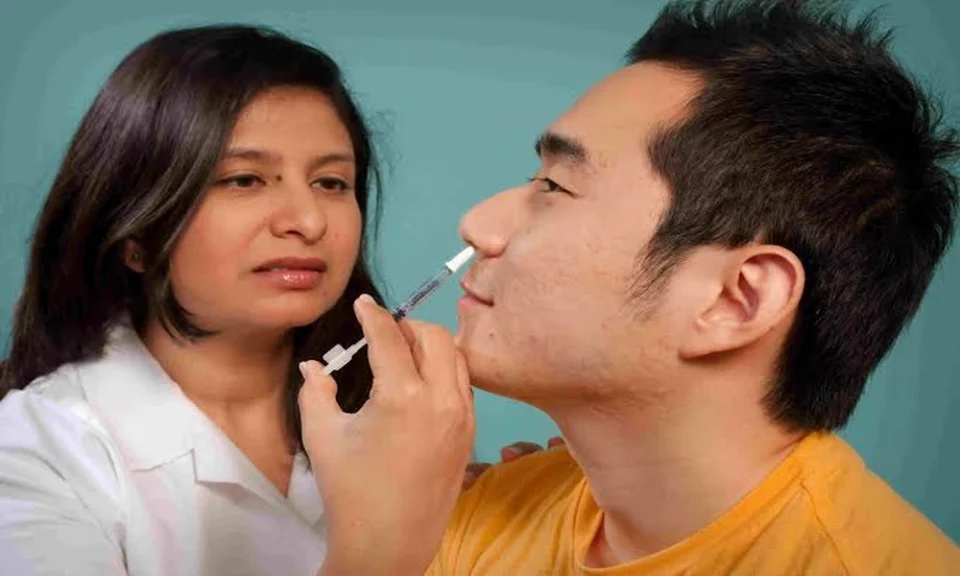
A steady hand and an artistic eye may seem like opposing skills, but in the world of facial aesthetics, both are non-negotiable. Nurses specializing in facial injections face a unique challenge: every procedure must be as safe as it is beautiful, and neither goal can come at the expense of the other.
Mastering Facial Injection Safety: The Nurse’s Foundation
Patient safety is the backbone of aesthetic nursing. Before a syringe is ever prepped, a deep understanding of facial anatomy is indispensable. The human face is a web of nerves, vessels, and muscles; misplacement of an injection can cause not just a bruised ego, but devastating medical consequences. Knowing the underlying structures helps nurses avoid high-risk zones, such as the glabella or nasolabial folds, where vascular complications are more likely.
Equally critical is the ability to swiftly recognize and manage complications. Even with careful planning, adverse events can occur. This is why experienced injectors double-check medical histories, remain vigilant for contraindications, and maintain strict hygiene protocols. Every surface, tool, and glove must be sterile because even minor lapses in infection control can carry outsized risks in facial procedures.
Developing Artistic Precision in Injection Techniques
Safety covers the “how,” but artistry answers the “why” and “where.” A skilled nurse approaches each face as an individual canvas, striving for results that enhance rather than erase character. Achieving natural symmetry requires not only technical accuracy but also an understanding of subtle facial cues.
Product selection plays a surprising role in this equation. Choosing between fillers and neuromodulators depends on more than technical suitability; it’s about matching the tool to the patient’s unique skin, musculature, and desired result. Delivering a fuller lip or a softer jawline demands both knowledge of ideal injection depths and an aesthetic sense trained to spot imbalance from every angle.
Some areas, like lips or cheeks, call for precise needlework, while others (such as the jawline or temples) might benefit from the softer approach of a cannula. Each technique comes with its own pros and cons, cannulas can reduce bruising and risk but require a different touch and careful planning.
Combining Safety Protocols with Aesthetic Vision
The real art emerges where safety and vision overlap. Rather than relying on one-size-fits-all approaches, top nurses develop personalized treatment plans for each patient. This means listening carefully, setting realistic expectations, and never compromising safety for dramatic results.
Managing and preventing adverse effects is not just a matter of emergency response but of prevention through meticulous technique and informed consent. Open communication ensures that patients know both the risks and rewards. Photographing results and keeping thorough documentation supports both clinical excellence and patient trust. Follow-up visits are not just box-ticking exercises; they’re opportunities to assess outcomes, reinforce safety, and fine-tune artistry.
Advancing Skills Through Structured Training and Clinical Experience
No one becomes a master injector overnight. Progressive, hands-on training is essential for nurses who aspire to blend safety and artistry seamlessly. Programs like the Mediluxe formation infirmière injectrice take a tiered approach, starting with basic anatomy and safety, advancing through technical skills, and culminating in complex aesthetic strategies.
Hands-on practice, especially on live models, builds not just competence but true confidence. Mentorship from seasoned professionals exposes nurses to real-world complications and subtle artistry that textbooks simply cannot teach. Ongoing observation and clinical exposure keep skills sharp and knowledge up to date.
The journey to excellence in facial injections is one of continuous learning and refinement. By combining rigorous safety with creative precision, nurses transform not only faces, but also the standards of care in medical aesthetics.
