
Brief body scan – can you sense how it is now. Do your shoulders slump forward? Your chin pushing towards the screen? Does your spine look like a banana?
If you realized you were in a slouch position, you are not alone. In today’s screen obsessed world this posture problem has actually been an unseen epidemic.
After numerous hours spent on their laptops hunched over and slouching down at smartphones, many individuals have been left with persistent neck and upper back aches, as well as an unsightly stoop.
In response to this global ache, wellness brands have flooded the market with a seemingly simple solution: the chest belt for posture correction. Heavily pushed by internet marketers and in social media on the internet, this specific bracers straps declare to heal this issue by nightfall.
To understand whether a chest belt works, we have to look past the marketing claims in this blog and examine how the human body actually maintains its upright balance.
The Illusion of a Quick Fix
To get to know why a chest belt is not a magic cure, it helps to understand how natural posture works. A human body relies on a complex, dynamic system of muscles, ligaments and bones to keep the body upright. When these muscles are strong and active, they effortlessly pull your shoulders down and back, keeping your ears aligned perfectly over your shoulders.
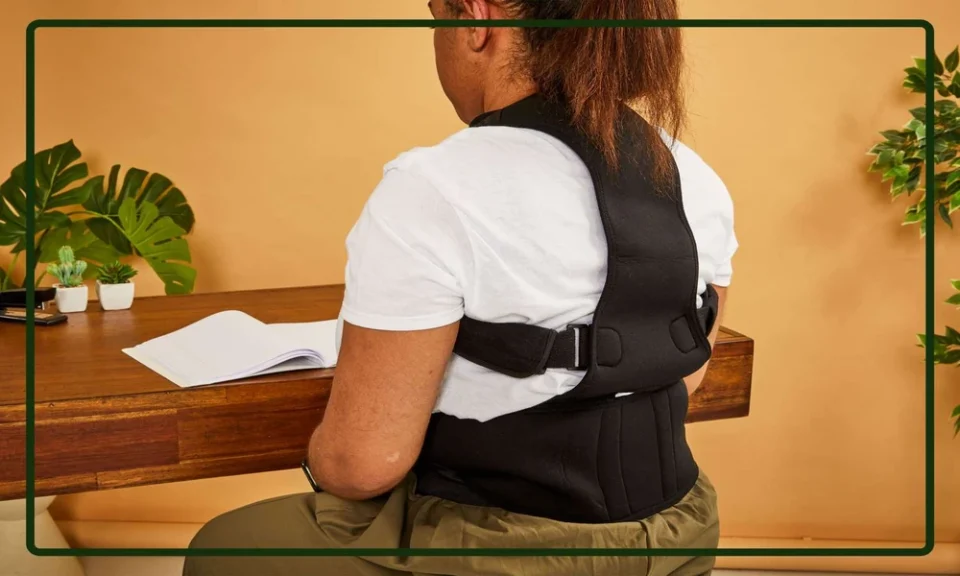
This belt tries to copy this complicated system by using outside, non-moving materials like neoprene, nylon and velcro. When you put on a tight brace around your shoulders and chest, the material physically pushes your shoulder blades together and keeps your upper back straight.
While this creates the immediate visual illusion of perfect posture, it requires absolutely zero effort from your actual body. Your muscles completely stop working because the synthetic fabric is doing all the heavy lifting for them. This structural hand-off is where the primary issue with posture correctors begins.
Why Overuse Makes Slouching Worse?
The biggest danger of using a chest belt lies in a biological principle: use it or lose it. Your muscles adapt rapidly to the pressure placed on them. When you wear a rigid brace for hours at a time, day after day, your brain realizes that the upper back muscles no longer need to exert energy to keep you upward. The body starts to power down those stabilizer muscles as a result.
Eventually the muscles weaken, atrophy and degenerate due to lack of activation. The very muscles you need to strengthen to fix your posture become lazy and dependent on the external support. The moment you unbuckle the chest binder belt, your weakened upper back can no longer support the weight of your torso against gravity.
Consequently, your shoulders collapse forward even further than before you started using the device. Instead of curing your slouch, over-relying on a chest belt locks you into a vicious cycle of structural dependency and progressive muscular weakness.
A Tool for Biofeedback and Mindful Awareness
Despite the structural risks of overuse, chest belts are not entirely useless. When used properly, they can be a tool which is great for learning through biofeedback. The advantage of a posture corrector is not only that it keeps you standing straight, but to also know what it feels like to be properly upright.
If you set the brace to feel a bit loose when you stand up straight, the straps will quickly tighten and press against your skin the moment you start slouching. This immediate pressure serves as a physical warning to your brain.
The use of this belt encourages you to use your muscles to straighten your shoulders and makes you aware of your posture. It also realigns your spine. When used like this, the belt becomes a helpful reminder instead of something you rely on too much.
How to Safe-Proof Your Routine
If you want to use a chest belt without affecting your natural muscle tone, you need to follow strict rules about how long you use it and where you use it. Doctors who specialize in bones and muscles usually suggest using a posture brace like training wheels, use it only for a short time to help you find your balance, then avoid using it so your body can grow the real strength on its own.
- Limit Daily Wear: You should not wear a posture belt all day long, and certainly should not sleep in posture braces. Wear this belt for not more than 30 to 60 minutes a day.
- Target Vulnerable Windows: Use it only during your most prone times to slouch: such as the first hour you’re sitting at your desk after arriving at work in the morning, or a late afternoon crash.
- Keep It Intentionally Loose: Avoid extending the straps so tight. As it cuts off your circulation or bruises your underarms. You should feel comfortable when you sit or stand up tall .
Wrapping Up
A chest belt for posture correction can be a useful tool, but it’s not a fix for everything. Chest support is an orthopedic aid which is for temporary use to help you stay aware of your posture, it can help you start a better journey for a healthier and natural spine.
Real, lasting posture isn’t something you can order online or put on like a belt in the morning. It takes time and effort, built up through everyday habits, setting up your workspace properly, and working on making your core and upper back stronger.
The belt helps in reminding you to sit up tall, but also you need to use your own muscles to stay that way. In the end, your body will feel better because of it.
