
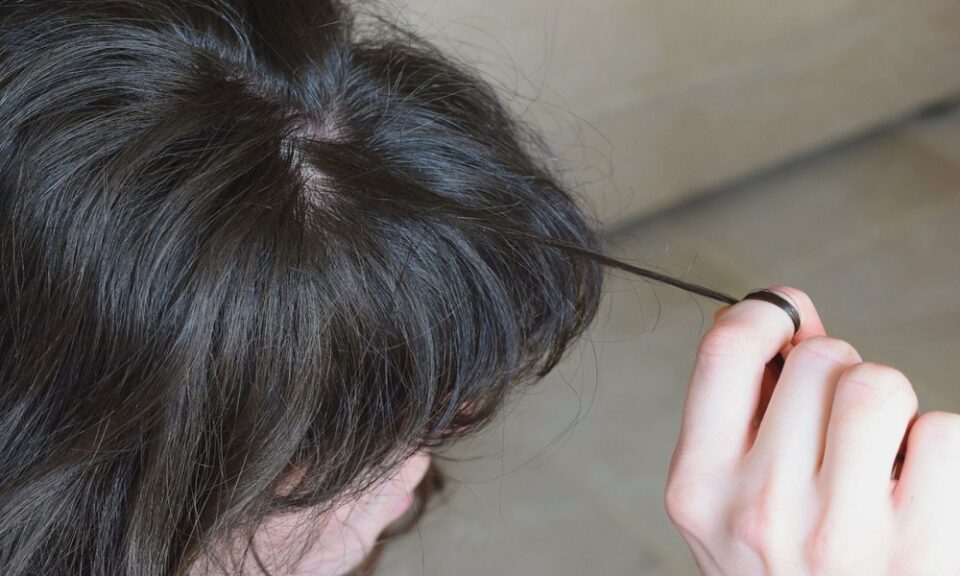
Many people grapple with a powerful, recurring urge to pull out their own hair. This condition, known as trichotillomania or ‘trich’, is far more than a simple habit.
It is a recognised health challenge that can significantly impact a person’s daily life. The behaviour often focuses on the scalp, eyebrows, or eyelashes.
Living with this urge can feel incredibly isolating. Individuals may believe they are alone in their experience.
This comprehensive guide aims to provide clear, reliable information. It explores various treatment pathways and practical management strategies.
Whether you seek help for yourself or a loved one, understanding is the first step towards positive change. Support and effective options are available.
Key Takeaways
- Trichotillomania is a recognised mental health condition, not just a bad habit.
- It involves a strong, recurrent urge to pull out one’s hair from various body areas.
- Many people across the United Kingdom experience this challenge.
- Professional support and effective treatment approaches exist.
- Gaining knowledge about the condition is a crucial step in managing it.
- This guide offers a complete resource, from clinical insights to daily coping methods.
Understanding Trichotillomania: An Overview
A French dermatologist from the 19th century first gave a name to the compulsive act of removing one’s own hair. This overview provides essential information on its clinical definition and historical roots.
Definition and Clinical Classification
This condition is defined by recurrent, irresistible urges. It is classified as a Body-Focused Repetitive Behaviour (BFRB).
Other BFRBs include skin picking and nail biting. While listed with OCD-related disorders in diagnostic manuals, it is distinct.
| Feature | Body-Focused Repetitive Behaviour (BFRB) | Obsessive-Compulsive Disorder (OCD) |
|---|---|---|
| Primary Drive | To reduce tension or from habit | To neutralise an intrusive thought or prevent a feared event |
| Focus of Behaviour | The body itself (e.g., hair, skin) | An external ritual or mental act |
| Relationship to Thoughts | Not typically driven by obsessive ideation | Directly linked to obsessive, unwanted thoughts |
Historical Background and Evolution of the Term
François Henri Hallopeau coined ‘trichotillomanie’ in 1889. He combined Greek words for hair, pulling, and madness.
…a person who does not understand why they perform an action, such as plucking at their own hair.
The American Psychiatric Association formally recognised it as a distinct mental disorder in 1987. This marked a key step in validating the experience and framing it for professional consent and care.
Recognising the Signs and Symptoms
The journey towards managing this behaviour begins with recognising its distinct physical and emotional markers. Understanding these symptoms is a crucial step for anyone affected.
Physical Manifestations and Hair Loss Patterns
Visible hair loss is often the most obvious sign. This loss typically appears in patchy areas on the scalp, eyebrows, or eyelashes. The patterns are usually irregular, with one side potentially more affected.
Affected zones may show short, broken strands of varying lengths. Repeated pulling hair can also damage the skin. This may lead to irritations or even infections over time.
Emotional and Behavioural Impact
Beyond the physical, individuals experience a powerful cycle of tension and relief. The urge to pull often rises during quiet moments, like watching television.
This leads to significant emotional distress. Feelings of shame, guilt, and anxiety about the visible symptoms are common. Many people go to great lengths to conceal areas of loss.
Spotting these signs early empowers individuals to seek support. It is the foundation for building effective management strategies.
Identifying Triggers and Underlying Causes
The roots of compulsive hair removal are often found in a combination of genetic, emotional, and situational factors. Research indicates no single cause is responsible.
It is a complex interplay of biological, psychological, and environmental elements. Understanding this mix is key to managing the behaviour.
Biological, Psychological, and Environmental Factors
Biologically, a genetic link is observed. The condition can run in family groups, suggesting inherited vulnerability.
Neurobiological studies point to differences in brain circuits governing impulse control. Imbalances in certain chemicals may also play a role. This connects it to conditions like OCD.
Psychologically, stress and anxiety are powerful catalysts. Many individuals use the action to cope with difficult feelings or thoughts.
It can provide temporary relief or stimulation. Over time, this creates a hard-to-break cycle.
Environmentally, major life changes or traumatic events can trigger episodes. Conflicts at home or in social situations often worsen symptoms.
Both children and adults may develop trichotillomania in response. Pinpointing personal triggers is a vital step towards effective support.
Trichotillomania and Hair Pulling Therapy
The path to regaining control frequently involves structured programmes that retrain habits and thoughts. For this condition, Cognitive Behavioural Therapy (CBT) is widely regarded as the most effective treatment. It is often enhanced with a specific behavioural technique.
Habit Reversal Training Techniques
This method is a core component of a comprehensive therapy plan. It begins with awareness training, helping a person recognise the situations and sensations that precede the behaviour.
The next step is learning a competing response. When the urge arises, one might clench their fists for a minute. This action is physically incompatible with the pulling habit.
Mastering these techniques requires repeated practice. Individuals learn to tolerate the temporary discomfort of not acting on the impulse.
Cognitive Behavioural Therapy (CBT) Insights
While behavioural techniques address the action, CBT works on the thoughts behind it. It helps identify unhelpful thinking patterns that fuel the cycle.
Therapy sessions explore emotional triggers and develop healthier coping strategies. This cognitive work, combined with the behavioural response training, creates a powerful, evidence-based approach for managing trichotillomania.
Practical Self-Help Strategies for Daily Management
Simple adjustments to one’s environment and routine can create powerful barriers against the compulsion to pull. These daily methods work alongside professional support for trichotillomania.
They offer immediate tools for managing hair pulling urges. A first line of defence involves physical barriers.
Wearing gloves, soft hats, or bandages makes direct contact difficult. For tactile needs, fidget toys or textured jewellery provide a safe alternative.
Simple Actions to Reduce Hair Pulling
Keeping scalp hair short is a practical step. It reduces the ability to grasp individual hairs easily.
When the urge to pull arises, try to pause. Gradually extending the time before acting can build tolerance. This practice weakens the impulse over weeks.
Social support is also key. Ask a trusted person for a gentle signal if they notice unconscious pulling. Simple environmental tweaks help too.
Secure or remove tweezers from easy reach. Placing medical tape on fingertips dulls sensation, making it less satisfying to pull hair from the skin.
Mindfulness apps offer grounding exercises for intense moments. These self-help strategies empower individuals in their daily fight against hair pulling.
Professional Treatments and Expert Guidance
Seeking qualified help opens doors to evidence-based strategies that target both behaviour and underlying drivers. A range of professional treatment options exists, offering structured support and expert guidance.
Therapeutic Options Including ACT and CBT
Beyond Cognitive Behavioural Therapy, Acceptance and Commitment Therapy (ACT) offers a distinct path. ACT teaches people to accept uncomfortable urges without acting on them.
It focuses on living by one’s values, not eliminating every symptom. This builds psychological flexibility, a key goal of this treatment.
| Therapeutic Approach | Primary Focus | Treatment Goal | Key Technique |
|---|---|---|---|
| Cognitive Behavioural Therapy (CBT) | Changing thought patterns | Reduce symptoms by altering cognition | Cognitive restructuring |
| Acceptance & Commitment Therapy (ACT) | Psychological flexibility | Live well with urges, values-based action | Mindfulness & acceptance |
Regarding medication, selective serotonin reuptake inhibitors (SSRIs) may be used. They are not an effective treatment for trichotillomania itself.
Their role is to manage co-occurring conditions like depression or OCD. This distinction is important for health planning.
Support from The Psychodermatologist
Support from a specialist like The Psychodermatologist can be invaluable. This expert understands the link between skin, hair, and psychological factors.
They provide tailored interventions addressing both physical signs and mental drivers. A comprehensive plan often blends therapy, possible medication, and group support.
Professional support groups also offer a safe space to share experiences. Seeking this expert guidance is a sign of strength, leading to better health outcomes.
Managing Social and Emotional Implications
For many, the fear of judgment leads to avoiding gatherings and straining close relationships. This social withdrawal is a painful consequence of living with trichotillomania. The emotional impact can be profound, affecting one’s sense of self and connection to others.
Dealing with Stigma and Isolation
Misconceptions about the condition are common. Some wrongly view it as a simple lack of willpower. This stigma can lead to bullying or insensitive comments, especially for children.
Such experiences compound the feelings of shame. Individuals may feel pressured to hide their condition in social situations. It is empowering to decide in advance how to respond to questions about hair loss.
One can choose a brief, factual reply or politely decline to discuss it. This control helps reduce anxiety.
Building a Supportive Environment
Education is key for loved ones. Explaining the condition to family and friends fosters understanding. They can then offer appropriate support.
Practical help might involve gentle reminders, not criticism. Joining a dedicated support group is highly beneficial. It connects individuals with others who truly understand.
This shared experience reduces isolation and validates personal struggles. For young people, early family involvement is crucial for maintaining self-esteem. Managing these social aspects is a vital part of overall health and recovery.
Impact on Personal Relationships and Daily Life
Self-perception and interpersonal connections can be profoundly shaped by the ongoing challenge of trichotillomania. It affects not just one part of life but multiple domains simultaneously.
Relationships, Self-Esteem, and Social Interaction
Visible hair loss often damages self-esteem. Individuals may feel intense shame about their appearance.
This emotional distress frequently contributes to conditions like depression or OCD. The impact on mental health is significant.
Intimate relationships can strain when partners misunderstand the behaviour. For children, peer relationships and identity development are particularly vulnerable.
Concentration at work or school may suffer. Time spent concealing hair loss or managing urges reduces productivity.
Chronic pulling can irritate the skin, leading to infections. In severe cases, ingested hair causes gastrointestinal issues.
With comprehensive support, children and adults can rebuild self-esteem. Recovery from depression and improved daily functioning are achievable. Addressing OCD traits is a key part of care.
Holistic Approaches and Complementary Therapies
Beyond conventional methods, a range of holistic strategies offers additional tools for those seeking relief. These approaches work alongside formal treatment to support overall wellbeing.
They address the whole person, not just the behaviour.
Mindfulness, Self-Care, and Alternative Techniques
Mindfulness builds a crucial pause. It increases awareness of the urge to pull hair before action occurs.
Meditation and breathing exercises help individuals observe sensations without judgement. This non-reactive response weakens the impulse cycle.
Foundational self-care matters greatly. Quality sleep, balanced nutrition, and regular exercise reduce general stress.
Lower stress can decrease the frequency of urges. Alternative techniques like yoga or acupuncture promote relaxation.
Some find sensory alternatives helpful for the scalp, eyebrows, or eyelashes. Textured objects or aromatherapy provide a safe focal point.
| Complementary Technique | Primary Benefit | Practical Application |
|---|---|---|
| Mindfulness Meditation | Increases urge awareness | Daily 10-minute seated practice |
| Progressive Muscle Relaxation | Reduces physical tension | Evening routine before bed |
| Sensory Substitution | Provides alternative focus | Use of worry stones or fidget toys |
Integrating Support from Surgical Arena Ltd
Comprehensive care often involves specialist input. Surgical Arena Ltd provides integrated support that understands both dermatological and psychological aspects.
This is particularly relevant for conditions affecting the body, like skin picking. Their multidisciplinary approach complements behavioural therapy.
It ensures both physical signs and mental drivers are addressed. This collaboration creates a robust support system for recovery.
Conclusion
Living with this challenge requires understanding, support, and effective strategies. It is a recognised mental health disorder, not a simple habit or flaw.
Recognising the symptoms is the first step towards seeking effective treatment. Approaches like Cognitive Behavioural Therapy can help manage the urge and related OCD traits.
Professional guidance and peer support networks are invaluable. Recovery is a journey that may include setbacks.
With persistence and the right information, managing this condition and improving overall health is entirely possible. There is hope for a fulfilling life beyond trichotillomania.
