
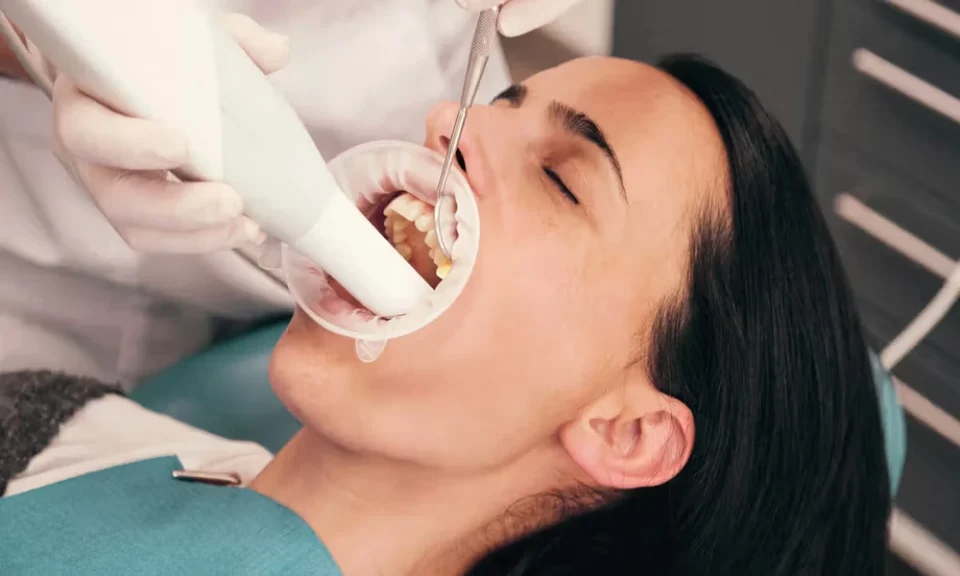
You might be feeling a little guilty every time you see a reminder for your dental checkup. Maybe it has been a year, or two, or even longer. It started with a busy season at work, or taking care of family, or trying to save money, and suddenly the idea of sitting in a dental chair feels heavy and stressful. You are not alone in that. Many people carry a quiet worry about their teeth and gums, yet keep putting off care because they are afraid of what might be found, even though they know they should schedule an appointment with a Valencia dentist.
At the same time, you probably want a clear, simple answer. Will regular cleanings really protect your mouth in the long run, or is it just another appointment on your calendar. The short answer is that consistent professional cleanings, paired with home care, are one of the strongest tools you have to keep your gums firm and your teeth stable for decades. They help prevent silent problems like gum disease, they protect you from painful emergencies, and they even connect to conditions like diabetes and heart health.
So where does that leave you. It means that even if you feel behind, you still have a lot of power to change the direction of your oral health, starting with understanding what those routine visits actually do for your gums and teeth.
Why do healthy-looking teeth still need regular cleanings?
One of the most confusing parts of dental health is that things can look and feel fine while problems are quietly building. Gum disease, for example, often starts without pain. The Centers for Disease Control and Prevention explains that periodontal disease develops when plaque hardens into tartar and irritates the gums over time, which can eventually lead to bone loss and tooth loss if it is not treated. You can read more about that process in this overview of gum or periodontal disease from the CDC.
The problem is that brushing and flossing, even when you are doing your best, cannot always remove hardened tartar. That buildup tends to collect along and under the gumline, in the places your toothbrush cannot fully reach. Once it is there, it keeps feeding inflammation. Your gums may start to bleed a bit when you brush. Your breath might feel off. You might notice slight tenderness and ignore it. That is the “before” picture many people live in for years.
When you add regular professional cleanings to the picture, you change the story. The hygienist removes plaque and tartar that you simply cannot reach at home. The dentist checks for early changes in the gums, small cavities, and worn fillings before they turn into something bigger. Over time, these visits support long term dental health maintenance by keeping small problems from turning into emergencies that cost far more in money, time, and stress.
What happens if you postpone cleanings for too long?
It can help to be honest about the risks, not to scare you, but to give you a clear picture. Imagine two people with similar habits at home. They both brush twice a day and floss when they remember. One sees a general dentist for cleanings every six months. The other skips care for three years.
The person who goes regularly has tartar removed before it can sit for years, so the gums stay tighter around the teeth. Early gum inflammation is noticed and reversed. Tiny cavities are filled while they are still small. Costs stay more predictable and spread out.
The person who postpones care may feel fine for a while. Then bleeding gums become normal. Bone around the teeth slowly shrinks. By the time they finally schedule, they might need deep cleanings, gum treatment, or even extractions. The financial pressure can feel heavy, and the emotional weight of “I wish I had gone sooner” can be even heavier.
There is another layer too. Oral health is connected to the rest of the body. The CDC notes that people with diabetes are more likely to have gum disease, and that treating gum problems can make blood sugar easier to manage. You can learn more about this link in the CDC’s information on diabetes and oral health. For someone managing a chronic condition, regular cleanings are not just about teeth. They are part of a bigger health picture.
Because of this, you might wonder how much of a difference professional care really makes compared with doing everything yourself at home.
How do home care and professional cleanings compare over time?
You absolutely need good home care. Brushing, flossing, and smart daily habits are the foundation of ongoing gum and tooth care. At the same time, professional cleanings add things you simply cannot do on your own. Seeing them as partners, not competitors, can make the choices feel easier.
| Aspect | Home Care Only | Home Care + Regular Professional Cleanings |
|---|---|---|
| Plaque and tartar control | Removes soft plaque. Tartar continues to build in hard-to-reach areas over months and years. | Soft plaque removed daily at home. Hardened tartar removed during cleanings before it causes deeper damage. |
| Gum disease risk | Higher risk of unnoticed early gum disease that can progress without pain. | Early signs often caught and treated quickly, lowering the chance of serious periodontal problems. |
| Cavities and tooth loss | Cavities may go unnoticed until they hurt. Greater chance of advanced decay and possible tooth loss. | Small cavities found during checkups and treated early. Teeth more likely to stay strong long term. |
| Costs over 5 to 10 years | Fewer small bills at first. Higher chance of large, urgent expenses later for root canals, crowns, or extractions. | Regular, smaller investments in cleaning and exams. Lower risk of sudden, major treatment costs. |
| Comfort and confidence | More worry about “what might be wrong.” Visits, when they happen, can be more intense and stressful. | More predictable visits. Problems are smaller. Confidence grows as you see your mouth staying stable. |
If you are an adult trying to reset your routine, the CDC has simple guidance on brushing, flossing, and diet that can support what your dentist does. You can review those suggestions in the CDC’s page on oral health tips for adults.
What can you do right now to protect your gums and teeth?
You might still feel a bit overwhelmed. That is normal, especially if you feel behind or worried about the cost. Instead of trying to fix everything at once, focus on a few clear steps that support general dentist care and help you feel more in control.
1. Schedule the next cleaning, not a lifetime plan
Thinking about “getting back on track forever” can feel too big. Start by committing to one thing. Call or schedule one cleaning and exam. Let the office know how long it has been and what you are worried about. A good dental team will meet you where you are, not judge you for the past. Once you know what is actually happening in your mouth, decisions become easier and less scary.
2. Tighten your daily routine in small, realistic ways
You do not need a perfect routine. You need a steady one. Aim to brush twice a day with fluoride toothpaste for two minutes. Floss once a day, even if you start with just a few teeth and build up. If your gums bleed, do not stop. Bleeding is often a sign they need more gentle cleaning, not less. Over a few weeks, bleeding usually lessens as the gums calm down.
3. Watch for early warning signs and act sooner, not later
Pay attention to small changes. Gums that bleed often. Bad breath that does not go away. Teeth that feel slightly loose or sensitive. These are early signals that your gums are asking for help. Mention them at your cleaning or call sooner if something feels very different. Acting early nearly always means simpler, more comfortable treatment and better chances of keeping your natural teeth for life.
Choosing long term health over short term avoidance
If you have been putting off care, you might feel a mix of relief and regret right now. Relief that there are clear steps you can take. Regret that you did not start earlier. That mix is human. What matters most is the next choice you make, not the ones behind you.
Regular cleanings are not just a box to check. They are a quiet, steady way to protect your smile, support your overall health, and reduce the chances of painful surprises. With a bit of support and a few new habits, you can move from worrying about your teeth to trusting that you are doing what you can to keep them strong for the long term.
You deserve a mouth that feels comfortable and a future with fewer dental emergencies. One cleaning, one checkup, one small habit at a time, you can get there.
