
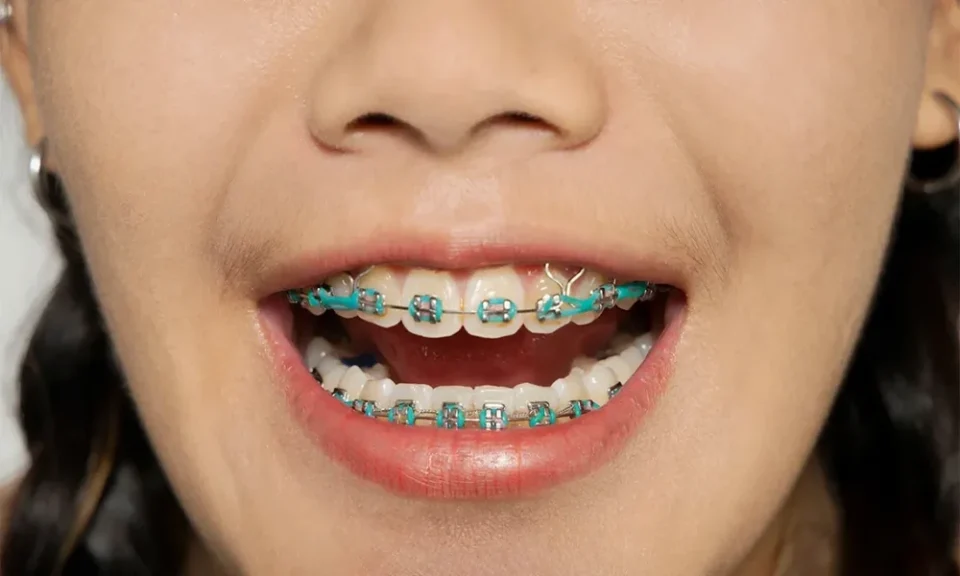
You might have walked into your appointment expecting a quick adjustment, only to hear that you now need rubber bands with your braces from an orthodontist in Chicago, IL. That can feel like a lot. You were already getting used to brackets, wires, and sore teeth, and now there is one more thing to manage. If you are wondering why this step matters, you are not overthinking it. Rubber bands can feel small, but they often play a big part in how your bite comes together and how smoothly treatment moves forward.
The short version is simple. Your orthodontist may recommend rubber bands to fix how your upper and lower teeth meet, guide jaw alignment, close certain gaps, improve function, and help create a more stable result. According to MedlinePlus information on orthodontia, orthodontic treatment is not only about straight teeth. It is also about the bite, the jaws, and long term oral health. Because of that, rubber bands are often less about appearance and more about getting the details right.
Why would an orthodontist add rubber bands when braces are already working?
Braces move teeth, but they do not always handle bite correction on their own. Rubber bands, often called elastics, add gentle force between the upper and lower arches. That extra pull helps guide teeth and jaws into a better relationship. So, where does that leave you if your smile already looks straighter? It means the final stretch of treatment may be about function just as much as looks.
One common reason is to correct an overbite or underbite. If your top teeth sit too far forward, or your lower teeth do, elastics can help bring things into balance. Another reason is to improve the way your teeth fit together when you chew. If your bite is off, you may deal with uneven wear, jaw strain, or trouble biting into certain foods. A trusted orthodontist is looking at all of that, not just whether the front teeth line up nicely.
A third reason is to close the right spaces in the right way. Sometimes braces can align teeth beautifully, but without elastics, the bite still does not settle where it should. A fourth reason is stability. Teeth that look straight but do not meet properly can be more likely to shift later. And a fifth reason is efficiency. In some cases, wearing rubber bands as directed can help treatment stay on track instead of dragging on for extra months.
What problems can happen if you do not wear orthodontic rubber bands as directed?
This is the part many people do not love hearing, but it matters. Rubber bands only work when you wear them consistently. If you skip days, wear them only at night, or take them out often, your teeth and jaws do not get the steady pressure they need. That can slow progress and make your mouth more sore because the force keeps starting and stopping.
Think of it this way. If your orthodontic treatment plan is trying to guide a bite into place, inconsistency can keep resetting the process. You may end up needing more appointments, more adjustments, and more time in braces. Research on orthodontic elastics, including findings indexed at PubMed, has long supported their role in correcting bite relationships when they are used properly.
There is also the comfort issue. It seems backward, but people sometimes avoid rubber bands because they feel sore, then end up extending the phase that causes soreness. A little tenderness at first is common. The good news is that many people adjust within several days when they wear them as instructed.
How do rubber bands help with bite correction and jaw alignment?
Rubber bands create directional force. That means your orthodontist can use them to encourage specific movements that wires alone may not achieve as well. In practical terms, they can help move the upper teeth back, the lower teeth forward, or guide how the arches meet. If you have ever heard terms like Class II or Class III elastics, that is what those patterns are addressing.
Clinical overviews such as this NCBI review of malocclusion explain that bite problems can affect chewing, speech, oral hygiene, and even confidence. That is why orthodontic rubber bands are often recommended as part of a larger plan. They are not random. They are targeted.
| Reason for Rubber Bands | What They Help Correct | What Can Happen If You Skip Them |
|---|---|---|
| Overbite correction | Upper teeth too far forward | Longer treatment and incomplete bite fit |
| Underbite correction | Lower teeth too far forward | Jaw imbalance may remain |
| Bite settling | How top and bottom teeth touch | Chewing may still feel off |
| Space guidance | Directing tooth movement during closure | Spaces may close in less ideal ways |
| Result stability | Better final alignment and function | Higher chance of relapse or refinement |
What can you do right now if your orthodontist recommends elastics?
1. Ask exactly how and when to wear them.
Do not leave the office guessing. Ask where each band hooks, how many hours a day to wear them, and when to change them. If you are unsure once you get home, call and clarify. Small mistakes can change the force pattern.
2. Build the habit into your routine.
Keep extra bands in your bag, bathroom, and bedside table. Change them at the same times each day if that is what your orthodontist advises. If you remove them for meals or brushing, put them back in right away. Consistency matters more than perfection, and routines make consistency easier.
3. Pay attention to discomfort, but do not assume soreness means something is wrong.
Mild pressure often means the bands are doing their job. If a band breaks often, causes sharp pain, or seems to fit differently than instructed, reach out to your orthodontic office. A quick check can prevent wasted time and frustration.
Is there a bigger picture behind these 5 reasons your orthodontist might recommend rubber bands?
Yes. 5 reasons your orthodontist might recommend rubber bands really comes down to one goal, which is helping your teeth and jaws work together in a healthy way. Straight teeth are great, but a stable, comfortable bite is what helps protect that result. That is why an orthodontist may focus on details that are harder to see in the mirror but easier to feel when you chew, speak, or rest your jaw.
If you have been told to wear braces rubber bands, try to see them as a tool, not a setback. They often mean your treatment is moving into a more precise stage. Stay consistent, ask questions when something feels unclear, and keep the long view in mind. A few months of steady effort now can make a real difference in how your final result looks and functions.
